Understanding Instagram Unfollowers: Why They Matter and How to Track Them
In the dynamic world of Instagram, maintaining a strong following can be a challenging task for influencers, brands, and casual users alike. The phenomenon of instagram unfollowers is a significant aspect that every Instagram user should understand. Knowing who unfollowed you and why can give you valuable insights into your social media performance and audience engagement. In this article, we’ll explore the reasons behind Instagram unfollowers, their impact on your profile, and how you can effectively track and manage your followers.
Why Do People Unfollow on Instagram?
Unfollowing on Instagram occurs for various reasons. Understanding these reasons can help you refine your content strategy and improve your engagement with your audience. Below are some common reasons users decide to unfollow accounts:
- Content Quality: If your content does not resonate with your audience or has declined in quality over time, followers might choose to unfollow.
- Changes in Interests: As people evolve, their interests may change. This evolution often leads them to unfollow accounts that no longer align with their current preferences.
- Over-posting: Posting too frequently can overwhelm followers. A flood of content may cause some users to disengage and subsequently unfollow.
- Influencer Saturation: With the rise of influencers, users can sometimes feel overwhelmed by promotional content, leading to unfollows.
- Personal Connections: Sometimes, people unfollow their friends or acquaintances for personal reasons, which may have nothing to do with the content itself.
The Impact of Unfollowers on Your Instagram Strategy
Tracking unfollowers is crucial for several reasons. Each unfollower can be seen as a reaction to your content or engagement strategy.
1. Engagement Metrics
Keep a close eye on your engagement metrics. If you notice a pattern of unfollows after certain posts, this could indicate that those types of content are not appealing to your audience. Measuring the success of various content types will help you craft posts that resonate better with followers.
2. Brand Reputation
For brands, unfollowers might signify a loss of credibility. If customers believe that a brand is no longer relevant or responsive, they may take the step to break away from the brand’s updates, signaling a decline in interest or trust.
3. Adjusting Strategy
Tracking unfollowers allows you to adjust your marketing strategy proactively. If you see spikes in unfollows during certain campaigns or promotions, it may be time to rethink your approach and focus on more engaging and authentic content.
How to Track Instagram Unfollowers
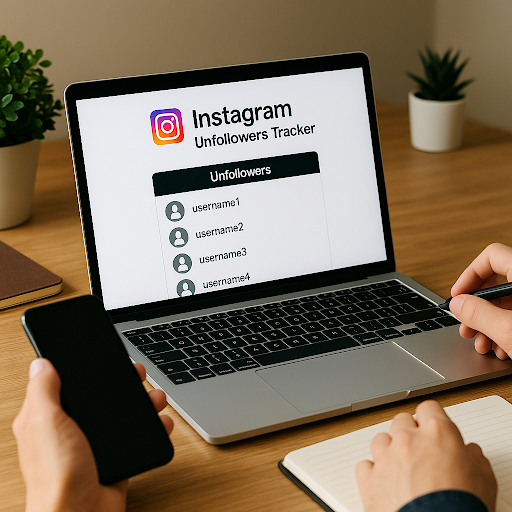
To effectively manage your Instagram account, you’ll need robust tools to track your followers and unfollowers. Manual tracking can become burdensome, especially for those with larger accounts. Luckily, several apps can streamline this process:
1. Analytics Tools
Several analytics tools provide comprehensive insights into your follower demographics, engagement performance, and unfollowers. Many of these tools offer free and premium versions.
2. Unfollow Tracker Apps
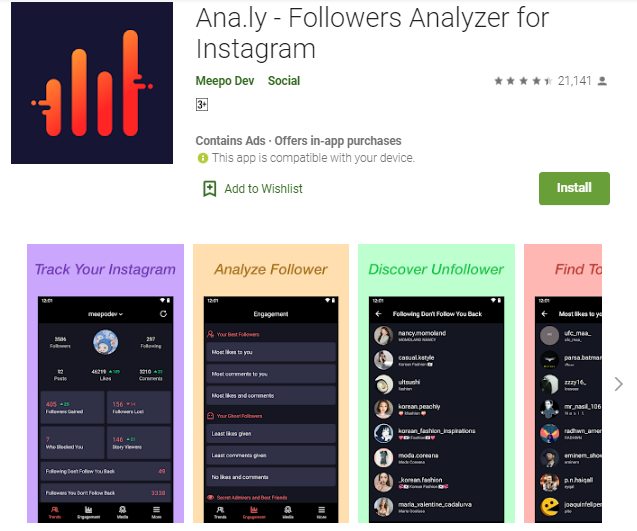
Apps like Instagram Unfollowers are designed specifically to track when someone unfollows you. They often come with user-friendly interfaces and detailed analytics, making follower management easier.
3. Native Instagram Insights
If you have a business account, Instagram provides Insights that can help you monitor your engagement rates and follower growth. Though it does not track unfollowers directly, monitoring engagement can provide indications of when your follower count changes.
Best Practices to Minimize Unfollowers
To maintain a healthy follower count, consider implementing some best practices:
- Create Consistent and High-Quality Content: Stay true to your brand and audience’s interests.
- Engage with Your Audience: Respond to comments and messages. Building relationships can reduce the likelihood of unfollows.
- Avoid Overposting: Find a balance that keeps your audience engaged without overwhelming them.
- Analyze and Adjust: Regularly analyze the performance of your posts and be willing to pivot your strategy based on feedback and performance metrics.
Conclusion
Unfollowing is a natural part of the Instagram ecosystem, but understanding the reasons behind it can empower users and brands to refine their strategies and build stronger connections with their audience. By actively tracking unfollowers using dedicated tools, you’ll better understand your audience’s preferences and improve your content strategy. Remember that maintaining a solid follower base on Instagram requires constant adaptation and engagement, making it crucial for anyone using the platform. Embrace the learning process that comes with unfollows, and use it as motivation to create even more engaging content that resonates with your audience.