
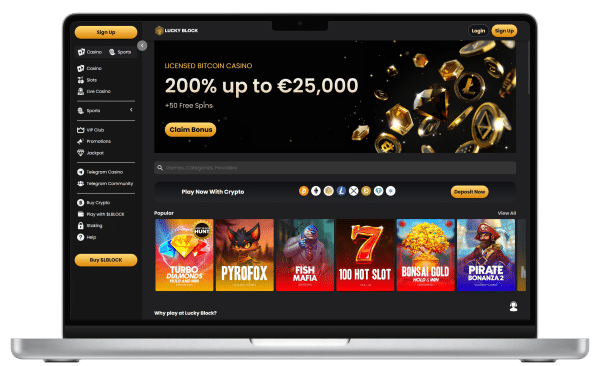
Zahraničné online casina: Ako si vybrať to pravé pre seba
V posledných rokoch sa online hazardné hry stali čoraz populárnejšími, a to najmä vďaka možnosti hrať z pohodlia domova. Zahraničné online casina ponúkajú širokú škálu hier od automatov po stolové hry, a to v rôznych variantoch. Pre Slovákov sa otvárajú dvere k rôznym zahraničným platformám, čo môže byť výhodné, ale aj zložitá úloha. V tomto článku sa pozrieme na to, ako si vybrať zahraničné online casino a na čo si dávať pozor. Zároveň odporúčame navštíviť zahranicne online casina ceske casino pre slovakov ako skvelú alternatívu pre nadšencov online hazardu.
Prečo zvoliť zahraničné online casino
Existuje množstvo dôvodov, prečo sa mnohí hráči rozhodnú pre zahraničné online casina. Tieto platformy často ponúkajú výhodnejšie bonusy a promo akcie v porovnaní s lokálnymi možnosťami. V zahraničných kasínach môžete nájsť aj širšiu škálu hier, ako sú originálne automaty, ktoré nie sú dostupné na slovenskom trhu. Okrem toho sú mnohé zahraničné kasína regulované striktnejšími hernými autoritami, čo znamená, že ponúkajú vyššiu úroveň ochrany hráčov a spravodlivosti hier.
Výhody zahraničných online casin
- Široká ponuka hier: Zahraničné online casina ponúkajú množstvo rôznych hier od rôznych poskytovateľov softvéru, čo zaručuje pestrosť a zábavu.
- Vysoké bonusy: Mnohé zahraničné platformy ponúkajú štedré uvítacie bonusy a pravidelné promo akcie, ktoré môžu výrazne zvýšiť váš bankroll.
- Regulácia: Dôveryhodné zahraničné online casina majú licencie od renomovaných regulačných orgánov, čo zvyšuje úroveň dôvery a zabezpečenia voči hráčom.
- Zákaznícka podpora: Mnohé zahraničné kasína ponúkajú viacjazyčnú zákaznícku podporu, čo uľahčuje komunikáciu a riešenie problémov.
Nevýhody zahraničných online casin
- Problémy s výberom: Niektoré zahraničné kasína môžu mať obmedzenia na výbery do Slovenska alebo môžu vyžadovať dlhšie spracovanie transakcií.
- Jazyková bariéra: Hoci mnohé zahraničné kasína ponúkajú viacjazyčné verzie svojich stránok, nie všetky sú dostupné v slovenčine, čo môže byť pre niektorých hráčov problém.
- Podvody a nelegálne kasína: Na internete existuje množstvo podvodných online casin, takže je dôležité dôkladne si overiť licenciu a reputáciu vybraného kasína.
Na čo si dať pozor pri výbere zahraničného online casina
Pri výbere zahraničného online casina je dôležité dôkladne preskúmať niekoľko aspektov. Tu sú niektoré kľúčové faktory, ktorými by ste sa mali riadiť:
- Licencia: Uistite sa, že vybrané casino má platnú licenciu od renomovaného regulačného orgánu. To zaručuje, že kasíno funguje legálne a podlieha prísnym pravidlám.
- Skúsenosti iných hráčov: Prečítajte si recenzie a skúsenosti iných hráčov. To vám pomôže získať predstavu o kvalite služieb a dôveryhodnosti kasína.
- Bonusové podmienky: Starostlivo si prečítajte podmienky bonusov. Uistite sa, že sú férové a jasne stanovené, aby ste sa vyhli nepresnostiam.
- Zákaznícka podpora: Skontrolujte, aké možnosti zákazníckej podpory sú k dispozícii. Je dobré, ak môžete kontaktovať casino cez rôzne kanály, ako sú live chat, e-mail alebo telefón.
Tipy na zvýšenie vašich šancí na výhru
Aj keď je hazardná hra založená predovšetkým na náhode, existujú určité stratégie a tipy, ktoré vám môžu pomôcť zvýšiť vaše šance na výhru:
- Hrajte s vnútorným rozpočtom: Stanovte si limit, koľko ste ochotní prehrať, a dodržiavajte ho. To vám pomôže vyhnúť sa zbytočným stratám.
- Využite bonusy a promo akcie: Nezabúdajte využívať rôzne bonusy a promo akcie, ktoré jednotlivé kasína ponúkajú. Môžu vám poskytnúť dodatočné prostriedky alebo bezplatné točenia.
- Hrajte hry s nízkym okrajom: Niektoré hry, ako je blackjack alebo video pokery, majú nižší okraj a tým pádom vyššie šance na výhru. Zamerajte sa na takéto hry.
- Venujte pozornosť štatistikám: Pred začiatkom hry sa oboznámte so štatistikami a pravdepodobnosťami jednotlivých hier, aby ste si mohli vytvoriť stratégiu.
Záver
Zahraničné online casina ponúkajú široké možnosti pre hráčov, ktorí hľadajú zábavu a napätie. Pri výbere vhodnej platformy je dôležité mať na pamäti niekoľko kľúčových faktorov, ako sú licencia, skúsenosti iných hráčov a bonusové podmienky. Veríme, že s našimi tipmi budete schopní rozhodnúť sa správne a užiť si hru naplno. Nezabudnite si užiť čas, ktorý strávite v online casine, a hrajte zodpovedne!
