
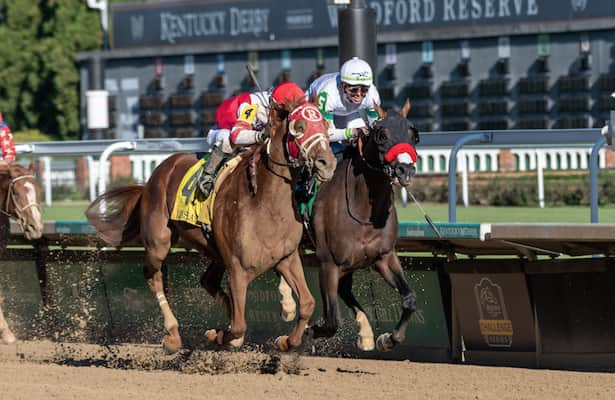
Horse racing in the UK is not just a sport; it is woven into the fabric of British culture. As one of the oldest sports known to mankind, it has captivated audiences for centuries. However, there are moments when this celebrated event may not unfold as expected. Various factors contribute to the postponement or cancellation of races, from weather conditions to logistical challenges. In this context, many bettors and enthusiasts seek alternative avenues, such as UK horse racing not on GamStop horse betting sites not on GamStop, to ensure their passion for racing is not hindered.
The Essence of UK Horse Racing
Horse racing has a rich history in the UK, with events like the Grand National and Royal Ascot drawing thousands of spectators each year. The blend of excitement, tradition, and competition helps solidify its status as a national pastime. However, the sport is susceptible to disruptions that can lead to races being canceled or postponed.
Factors Leading to Race Cancellations
There are several reasons why horse racing events might not take place as scheduled. The most prominent ones include:
1. Weather Conditions
One of the most significant factors affecting horse racing is the weather. Heavy rain, snow, or high winds can make tracks unsafe for horses and jockeys. When conditions become unsuitable, race officials may decide to cancel or postpone races to ensure the safety of all participants. Additionally, the ground conditions can impact the performance of the horses, as some may not perform well on muddy or soft ground. While clear skies may promise excitement, persistent rain can lead to cancellations, especially for flat racing where ground conditions play a crucial role.
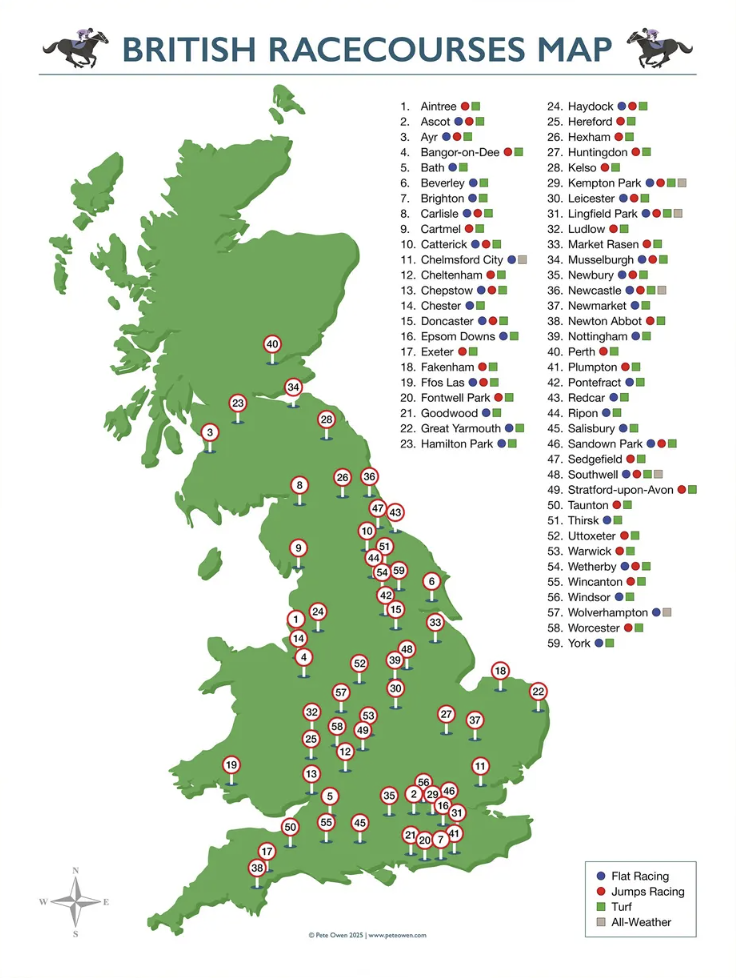
2. Equine Health Issues
The health and wellbeing of the horses are paramount in the racing industry. If an outbreak of illness occurs within a training yard or racecourse, it may necessitate the suspension of races to prevent the spread of disease. This was notably seen during the equine flu outbreak, which led to numerous race cancellations across the country as officials took protective measures. Ensuring that horses are healthy and fit to race is essential for maintaining the integrity of the sport.
3. Logistical Challenges
Many events depend on precise coordination, and horse racing is no different. Race meets require numerous personnel, from trainers and jockeys to stable hands and security staff. If key individuals are unavailable due to strikes, scheduling conflicts, or other emergencies, it could jeopardize the running of races. Additionally, transportation issues like road closures can delay the arrival of horses and staff at the racing venue, leading to potential cancellations.
4. Regulatory Issues
The UK horse racing landscape is governed by strict regulations to ensure fair play. Issues such as violations of doping regulations or discrepancies in race qualifications can lead to immediate cancellations or race disqualifications. Regulatory bodies which oversee horse racing take their responsibilities seriously and will act swiftly in response to any issues that could tarnish the integrity of the sport.
Historical Cancellations and Their Impact
Throughout history, horse racing in the UK has faced numerous interruptions. Notable instances include major weather events such as the Great Storm of 1987, which resulted in the cancellation of many racing events due to unsafe conditions. Similarly, more recent events like the COVID-19 pandemic brought a significant halt to racing activities for a prolonged period, affecting not only the horses and jockeys but also the industry as a whole, including betting agencies and affiliated businesses. These interruptions highlight the fragility of the racing schedule and the far-reaching implications of race cancellations.
Alternatives for Racing Enthusiasts
When races are canceled, fans and bettors of horse racing are left searching for alternatives to engage with their favorite sport. Online betting has surged in popularity, especially platforms that are not affiliated with self-exclusion programs like GamStop. These platforms allow continuous engagement with horse racing, providing the thrill of betting on races even when live events are not available. Furthermore, many racing enthusiasts turn to international races or simulcast events to fuel their interest. The global nature of horse racing means that even if local events are suspended, opportunities still exist elsewhere.

The Future of UK Horse Racing
As horse racing continues to be a beloved pastime, the industry must remain agile and responsive to challenges it faces. Ongoing improvements in technology and communication will enhance the sport’s resilience against interruptions. The ability to quickly inform fans about cancellations and provide updated race schedules ensures that the passion for horse racing remains alive. Innovative betting platforms and virtual races could also play a part in maintaining interest and engagement, even during dark days of cancellations.
Conclusion
Despite the unpredictable elements that can lead to UK horse racing events being postponed or canceled, the love for the sport endures. The factors influencing race cancellations underscore the importance of safety and regulation in maintaining the integrity of the sport. For many, alternative betting solutions and increased accessibility to international racing can help bridge the gap during these unforeseen interruptions. Ultimately, while the wild rides on the racetrack may occasionally be paused, the passion and heritage of UK horse racing will continue to thrive.