
Live Casino Tables Recreate Authentic Play
The shift from brick and mortar floors to streaming studios has been dramatic, and I have to say, in many ways, the newest live casino tables are surprisingly convincing. They reproduce the rhythms of an in-person session, the small pauses between hands, the dealer’s banter, even the near-missed flops — things you might assume would get lost online. If you’re curious about a hassle-free start, some platforms now offer sign-up-lite experiences; try a new no account casino for a quick flutter without the paperwork, though of course that comes with trade-offs I’ll get to later.
What changed? Mostly, a combination of tech upgrades, refined studio setups, and a deeper understanding of what players actually miss about the live floor. It’s not just about seeing the cards or the wheel, it’s about the timing, the atmosphere, the feel. And some platforms have leaned into that, intentionally designing every interaction so it feels less like a software product and more like a place.
Technology That Brings The Floor Home
If you strip away the glamour, the backbone is straightforward: high-definition cameras, low-latency streaming, optical character recognition and sometimes RFID in chips and cards. But there is nuance. Some providers invest in multi-angle camera rigs that capture the table not just from above, but from an angle similar to a player’s seat, so gestures and expressions read more naturally. Others tune audio so the dealer’s voice sits just behind you rather than blasting in front — subtle, but it matters.
Another layer is interface design, the stuff you click. The goal is to reduce friction: clear bet placements, immediate confirmations, and help prompts that don’t feel like they’re shouting at you. When those elements are polished, you stop thinking about the technology and start thinking about the game, or, you know, your bad luck streak.
Player Experience: What It Feels Like
Some moments make the experience feel authentic, others break the illusion. From what I’ve seen and played, these are the ingredients that really sell it:
- Natural pacing, so hands don’t auto-resolve too quickly or lag excessively.
- Human dealers with personality, who address chat occasionally but not constantly.
- Transparent camera angles and visible card/deck handling that prove fairness.
- Functionality that mirrors a table’s social cues, like seat selection and side bets.
That list is not exhaustive, obviously. But I keep coming back to pacing as the single most underrated element. Play a rushed table and you feel like a button-pusher; play a table that respects natural timing and suddenly it’s almost meditative. Some casinos nail this balance, others overshoot and make it too slow. It’s a judgement call, and you’ll know what you prefer after a few rounds.
Payments, Bonuses and Registration Flow
Realism extends beyond the table. The front-end experience of signing up, depositing, claiming a bonus and withdrawing funds is part of the same trust loop. A polished live-casino operator will offer clear payment options, transparent processing times and a rational bonuses menu. The best ones keep promotions simple — welcome match, some free spins or free bets, and a loyalty progression that doesn’t demand a PhD to understand.
In my experience, the operators that combine excellent live tables with smooth payments are the ones that retain players. When payouts are quick and customer support understands the difference between an auto-play bug and a dealer issue, users feel comfortable coming back. There’s a human element there too; support responses that read like they’re written by people, not scripts, encourage trust.
Why Realism Matters For Retention
Players return to places where they felt something — excitement, comfort, or the thrill of a near-miss. The realistic live table experience creates memory anchors. You can recall the dealer who called your name, the table where you had a small winning streak, even the tournament seat that felt luckier than others. Those memories matter.

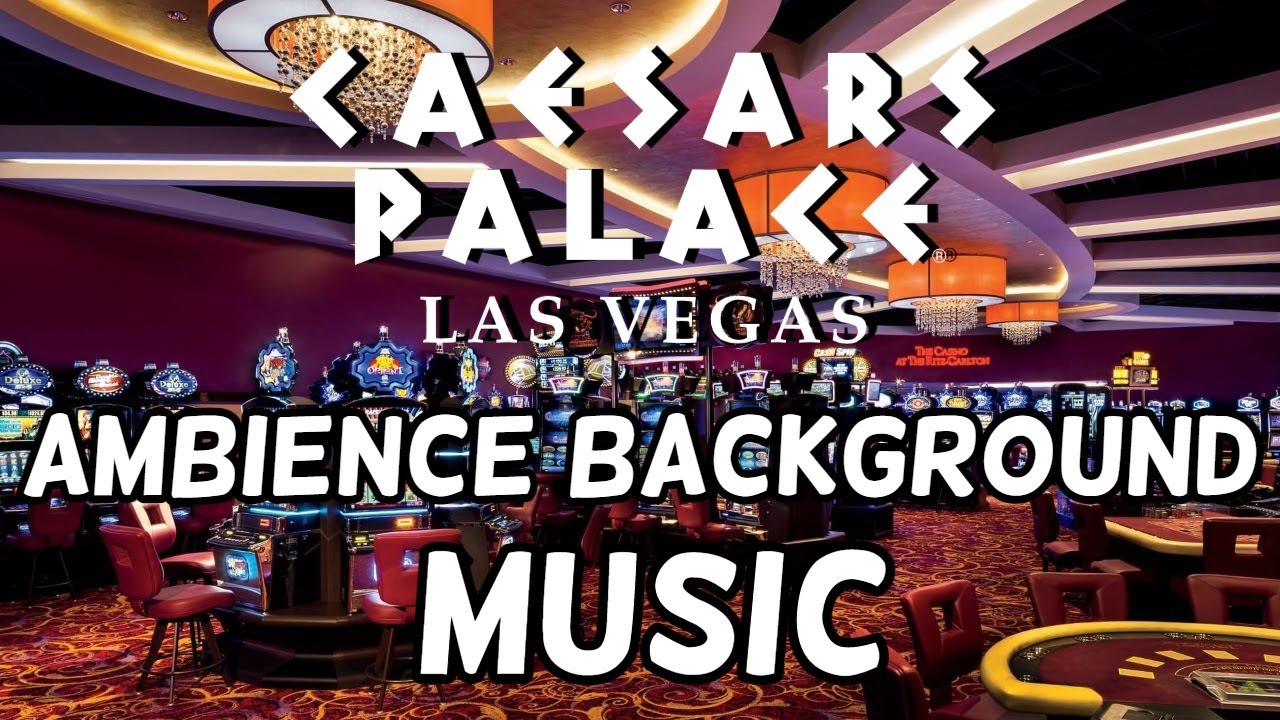
That image of the studio, by the way, is not just for show. Visual cues — background, dealer attire, the lighting on the table — all add up to a sense of place. It’s possible to overdo authenticity and end up with a dusty, slow table that feels like a reenactment. Balance is key.
A final point on replayability: live tables introduce social variability. You never quite get the same round twice because players bet differently, dealers vary, and the rhythm changes. For many, that unpredictability is the selling point — it’s the opposite of algorithm-driven auto-play.
Now, there are caveats. If you’re chasing maximum RTP, some RNG table games will offer better theoretical returns. Live games are about experience as much as numbers. If you play for the ambiance and the interaction, the trade-off is worth it; if you are a math-first grinder, you might prefer otherwise.
Conclusion: Live casino tables have come a long way and now frequently emulate the in-person experience with surprising fidelity. When a platform gets the streaming, the dealer, the timing, and the payment mechanics right, you end up with an offering that feels like a genuine venue rather than a web page. There are compromises, sure — speed, RTP nuance, and sometimes the cost of operational complexity — but the emotional payoff can be substantial. If you value atmosphere and the human element, browse reviews, test a few tables, and you’ll quickly tell which casinos are trying and which actually succeed.