
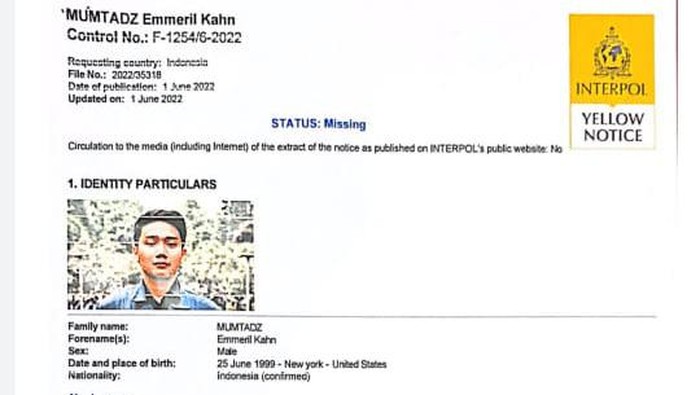
Understanding Interpol Yellow Notice: Purpose and Impact
The Interpol Yellow Notice is a vital tool in international law enforcement, aimed at locating missing persons, often minors, or to help identify individuals who are unable to identify themselves. It serves as a bridge between member countries of Interpol, facilitating communication and cooperation to address critical situations that require immediate attention. In this article, we will delve into the details of what Yellow Notices encompass, how they are issued, their impact on global law enforcement, and why they matter to the public at large.
What is an Interpol Yellow Notice?
An Interpol Yellow Notice is a request to law enforcement worldwide to help locate missing persons, particularly children, or to identify individuals who are unable to identify themselves. These notices are issued at the request of member countries and are intended to enhance cooperation across borders in cases of abduction or disappearance, as well as to assist in identifying vulnerable individuals who cannot communicate their identity due to various circumstances such as medical conditions or language barriers.
The Purpose of Yellow Notices
The primary purpose of a Yellow Notice is to facilitate the swift and efficient exchange of information regarding missing persons or unidentified individuals. In cases where a child has been abducted or is lost, the notice allows law enforcement to mobilize quickly and share relevant details with neighboring countries and their police forces. This can significantly increase the chances of locating the missing person and ensuring their safe return.
Moreover, Yellow Notices can also serve protective functions. For instance, if a person with cognitive impairments goes missing, a Yellow Notice can assist authorities in locating them and safeguarding their well-being. The inclusion of physical descriptions, photographs, and other identifying details in the notice allows police across jurisdictions to act swiftly.
How are Yellow Notices Issued?
The process of issuing an Interpol Yellow Notice typically starts with a member country that identifies a case of a missing person or an unidentified individual. The country then submits a request to Interpol’s General Secretariat, providing all necessary details, such as descriptions, last known whereabouts, and any other pertinent information.
Once Interpol receives the request, the notice is reviewed and can be published quickly, often within 24 hours. Countries that are members of Interpol have access to a centralized database where they can view all active Yellow Notices. This enables police forces to share and access information efficiently, enhancing their collective capacity to respond to missing persons cases.
:strip_icc()/kly-media-production/medias/4042578/original/012609900_1654334074-cats.jpg)
Regional and Global Impact
Interpol Yellow Notices are not confined to the borders of the issuing country. By virtue of being an international law enforcement tool, their reach extends globally, enabling cooperation among various countries. This international dimension makes Yellow Notices especially significant in cases where a missing person may have crossed international borders.
For example, in cases of child abductions, perpetrators may flee to another country. A Yellow Notice can alert authorities worldwide, increasing the chances of recovery and prosecution. This level of cooperation also serves as a deterrent, as potential criminals may be less inclined to commit abductions if they know that their actions could swiftly alert law enforcement on a global scale.
The Role of Technology in Yellow Notices
Technology plays a crucial role in the effectiveness of Interpol Yellow Notices. The use of digital databases, mobile applications, and social media has transformed how these notices are disseminated and acted upon. For instance, law enforcement agencies can share Yellow Notices instantaneously via digital platforms, allowing them to reach a broader audience much faster than traditional methods would permit.
Moreover, social media has become an essential tool for raising public awareness about missing persons cases. When a Yellow Notice is issued, relevant details can be shared on platforms like Facebook and Twitter, increasing the visibility of the case and encouraging the public to assist in locating the missing individuals.
Challenges and Limitations
Despite their importance, Interpol Yellow Notices are not without challenges. Issues such as political tensions between countries, variations in legal frameworks regarding missing persons, and the lack of resources in certain jurisdictions can hinder the effectiveness of these notices.
Furthermore, the expedited nature of issuing Yellow Notices can sometimes lead to errors in information, or notices may be issued for individuals who do not warrant immediate international attention. This can dilute the effectiveness of the system and create confusion among law enforcement agencies.
A Call for Awareness and Support
The importance of Interpol Yellow Notices goes beyond the realm of law enforcement; it calls for public awareness and support. Communities play a crucial role in helping locate missing persons. By bringing attention to cases through social media and local efforts, individuals can contribute significantly to the recovery of those in distress.
Furthermore, engaging with law enforcement agencies and supporting measures aimed at preventing abductions can go a long way in ensuring the safety and security of vulnerable populations, particularly children. Awareness campaigns that educate the public on how to respond in cases of missing persons can empower communities to take action when needed.
Conclusion
Interpol Yellow Notices serve as a critical tool for global law enforcement, aimed at locating missing persons and identifying individuals who cannot identify themselves. By fostering international cooperation and employing technology to enhance communication, these notices play a vital role in addressing urgent public safety concerns. However, their success depends not only on law enforcement agencies but also on public awareness and active participation. By working together, communities and law enforcement can help protect the most vulnerable and assist in bringing them safely home.