
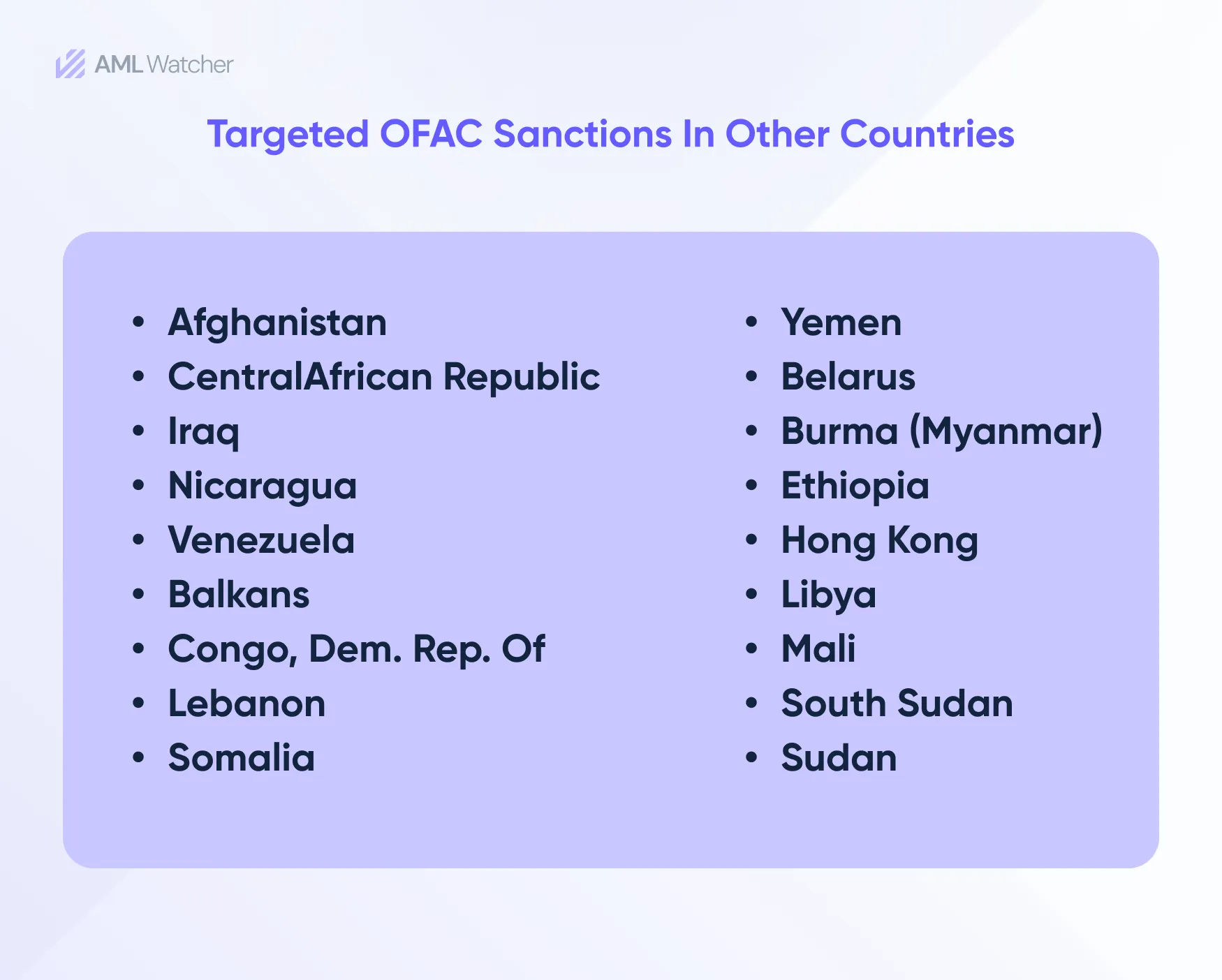
Understanding OFAC Licenses: A Comprehensive Guide
The Office of Foreign Assets Control (OFAC), an arm of the U.S. Department of the Treasury, plays a significant role in safeguarding national security and foreign policy interests. One of the vital components of OFAC’s regulatory framework is the licensing system, which allows for certain transactions that may otherwise be prohibited. To delve deeper into this subject and understand the requirements and process involved, you can visit OFAC license https://combatcleaningservicesca.com/pages/ofac-license-requirements-and-process.html.
What is an OFAC License?
An OFAC license is an official authorization that permits individuals, businesses, or organizations to engage in activities that are otherwise restricted under various United States sanctions. These licenses are essential for conducting legitimate trade or transactions with nations or entities that have been sanctioned due to various reasons including terrorism, narcotics trafficking, and obligations under international law.
Types of OFAC Licenses
There are two primary types of OFAC licenses: general licenses and specific licenses. Understanding the difference between the two is crucial for compliance and risk management.
1. General Licenses
General licenses provide authorization for a wide range of transactions and activities without the need for prior approval. These licenses are typically published on the OFAC website and remain in effect until revoked or amended. They simplify compliance for businesses, as they outline permissible activities under specific sanctions.
2. Specific Licenses
In contrast, specific licenses are granted on a case-by-case basis and require individuals or entities to submit an application detailing the proposed transaction. Obtaining a specific license requires a thorough review by OFAC and may involve additional documentation to assess national interests and compliance with U.S. laws.
Why is an OFAC License Important?
The importance of obtaining the appropriate OFAC license cannot be overstated. Engaging in transactions without the necessary licenses can lead to severe civil and criminal penalties, including hefty fines and imprisonment. Moreover, businesses may suffer reputational damage and long-term financial consequences if found in violation of OFAC regulations.
The Application Process for an OFAC License
The application process for securing an OFAC license involves several key steps that applicants must follow to ensure compliance and increase the likelihood of approval.
Step 1: Determining the Need for a License
Before applying for an OFAC license, individuals or businesses must ascertain whether their planned activity is indeed prohibited under U.S. sanctions. Researching the specific sanctions program that applies to the target country, individual, or entity is vital.
Step 2: Gathering Required Documentation
After establishing the need for a license, applicants should gather all necessary documentation. This includes detailed descriptions of the proposed transaction, the parties involved, the nature of the goods or services, and any relevant contracts or agreements.
Step 3: Submitting the Application
The next step is to submit the license application via the Electronic OFAC License Application System (EOLAS) or by sending a written request directly to OFAC. Applicants should ensure their submission is complete and accurate to avoid delays in processing.
Step 4: Awaiting Review and Response
Once submitted, OFAC will review the application, which can take varying amounts of time depending on the complexity of the case. Applicants may be contacted for additional information or clarification during this review period.
Step 5: Receiving the OFAC License
If approved, the applicant will receive an OFAC license outlining the specific terms and conditions of the authorization. It is imperative to adhere to these terms to maintain compliance and avoid any actions by OFAC.
Conclusion
In conclusion, navigating the OFAC licensing process is essential for any individual or business looking to conduct transactions involving sanctioned entities or countries. Understanding the types of licenses, the importance of compliance, and the application process can save organizations from significant legal and financial repercussions. As global trade continues to evolve, staying informed about OFAC regulations and ensuring appropriate licenses are obtained will remain crucial in fostering secure and compliant international relations.