
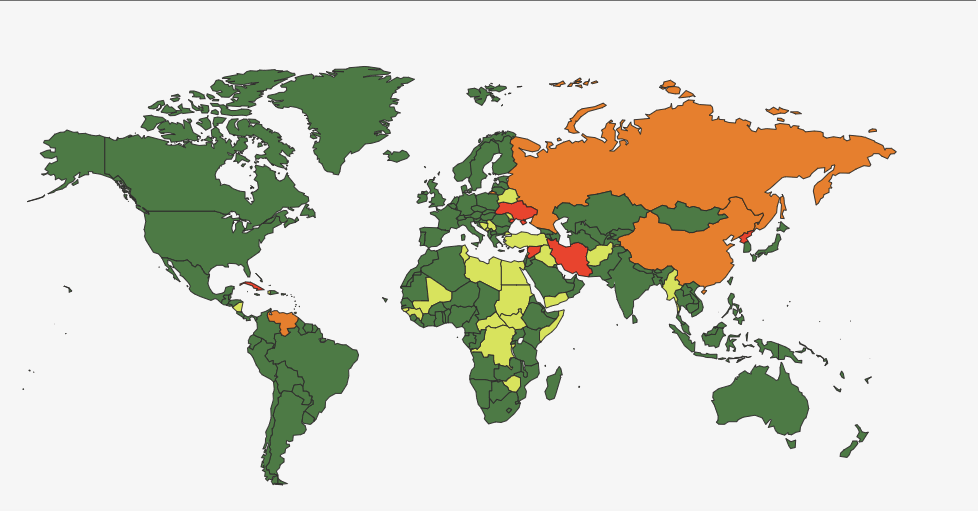
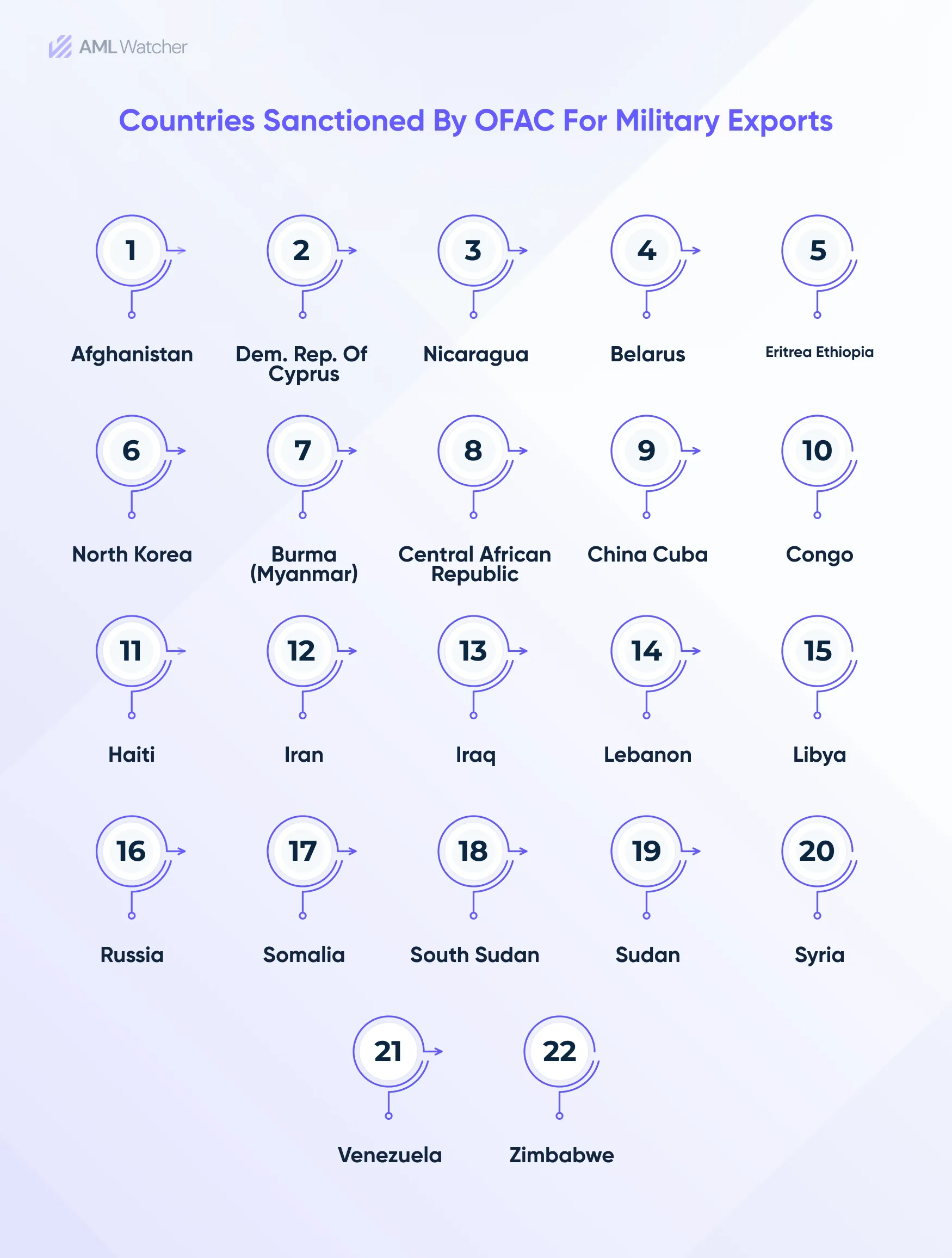
The Office of Foreign Assets Control (OFAC) plays a crucial role in regulating the economic and trade relationships between the United States and countries under sanctions, including Cuba. In this article, we delve into the intricacies of OFAC Cuba sanctions, their historical context, current status, and the impact these regulations have on both nations.
Historical Context of OFAC and Cuban Sanctions
The origins of OFAC’s sanctions against Cuba trace back to the 1960s. Following the Cuban Revolution and Fidel Castro’s rise to power, the United States implemented a trade embargo as a measure to counter the nationalization of American properties and businesses. This embargo has evolved over the decades, leading to various regulations and adjustments in response to geopolitical developments.
Key Regulations
OFAC administers several regulations impacting Cuba, primarily through the Cuban Assets Control Regulations (CACR). These regulations restrict trade, travel, and financial transactions between the U.S. and Cuba. Key aspects include:
- Prohibited Transactions: U.S. citizens and residents are prohibited from engaging in most commercial and financial transactions with Cuban nationals.
- Travel Restrictions: Travel to Cuba requires a special license for U.S. citizens, with specific categories allowed such as family visits, official government travel, or educational trips.
- Financial Restrictions: U.S. financial institutions are limited in their ability to conduct transactions with Cuban banks, further complicating any potential trade relationships.
Recent Developments
In recent years, the U.S. government has made efforts to ease some restrictions, especially under the Obama administration, which sought to improve diplomatic relations. However, the Trump administration rolled back many of these measures, reinstating stricter regulations. As of the current date, discussions around the future of OFAC regulations regarding Cuba continue to evolve, often influenced by changes in administration and geopolitical interests.
Current State of U.S.-Cuba Relations
The current state of relations between the U.S. and Cuba remains complex. While diplomatic channels exist, the economic embargo continues to shape many interactions. Some of the factors influencing these relations include:
- Human Rights Concerns: The U.S. continues to express concerns regarding human rights issues in Cuba, influencing its stance on lifting or modifying sanctions.
- Economic Interests: Despite embargoes, there is a growing interest from U.S. businesses to explore opportunities within Cuba, particularly in sectors such as tourism and telecommunications.
- Public Sentiment: American attitudes toward Cuba have shifted, with increasing support for engagement and normalization of relations, especially among younger generations.
Implications of OFAC Sanctions
OFAC sanctions have significant implications for both the U.S. and the Cuban economy. For Cuba, these sanctions have created limitations on trade opportunities and hindered economic growth. On the other hand, for the U.S., the sanctions are a tool of foreign policy designed to influence regime change and promote democratic reforms. However, the effectiveness of these sanctions is often debated.
Conclusion
The OFAC sanctions on Cuba represent a critical aspect of U.S. foreign policy for over six decades. While the future of these regulations is uncertain and often politically charged, understanding their implications and the historical context surrounding them is essential for grasping the complexities of international relations in this region. As discussions about engagement and reform continue, both nations must navigate these challenges carefully, balancing economic interests with political ideologies.
Further Reading
For those wanting to delve deeper into the implications and specifics of OFAC Cuba regulations, numerous resources are available. Research studies, government reports, and expert analyses can all provide detailed insights into the current state of affairs and the future of U.S.-Cuba relations.